Free photo check · Mon–Fri 8am–6pm, Sat mornings · St Helens, Rainhill, Haydock and Newton-le-Willows
[phone] Free photo ID check
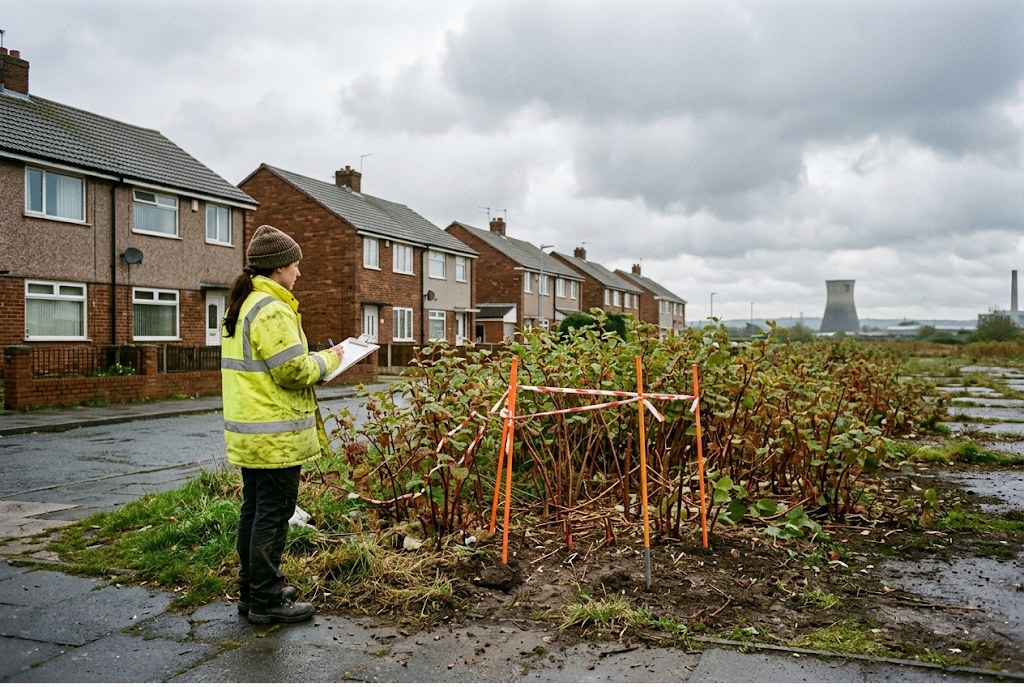
Surveyor at the edge of a St Helens estate checking rough ground for knotweed
Japanese Knotweed Removal · Eccleston (WA10)

Spotted something odd growing near your St Helens home? Send us a photo and we will say what it is, free.

A photo check carries no charge. If the plant proves to be knotweed we survey it, plan the spraying or digging, and give you a written report that a mortgage lender or conveyancer will accept. Surveys from £275.

Free photo ID check Survey from £275 Plans accepted by mortgage lenders
Cleared properly
Cleared properlyStands removed before building work, sales and groundworks.
Early warning
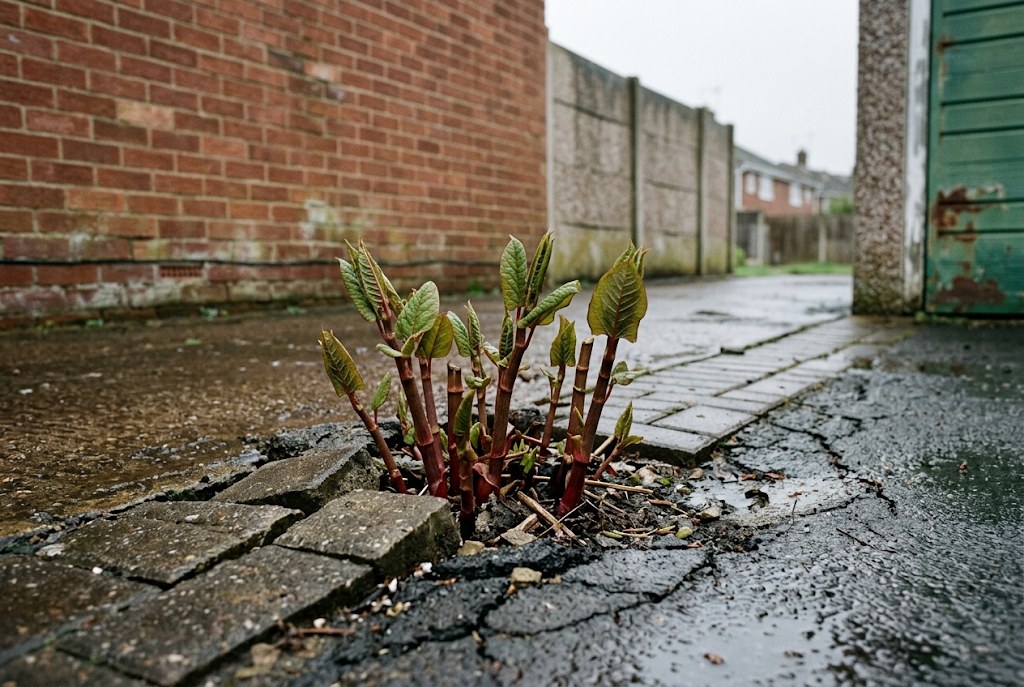
Early warningRed-purple spears beside a garage, a shed or a fence post in April.
Whole borough
Whole boroughEccleston and Windle through to Haydock, Rainhill and Newton-le-Willows.
Look first, pay later

Plenty of the plants we are sent turn out to be harmless.

Take a picture of one leaf and a section of stem, then send it across. You hear back without being billed. A visit is only suggested when the plant really is knotweed, and the price is put in writing before you agree to anything.

Why not to wait

Knotweed does not go away when you ignore it

By late autumn the stems turn brown and the garden looks clear. Underground the rhizome is still spreading, and the stand comes back bigger once the weather warms.

Act this seasonSmall, young stands are the cheapest to treat.
£275
Leave itIt pushes toward the patio, the shed and the boundary wall.
Bigger job
The buyer's valuer noticesA mortgage offer can be paused until a plan is on file.
Weeks lost
Cutting it down yourselfEvery offcut of root can start a new plant.
£££££
The survey price is the figure on this page. Treatment is quoted in writing after we have seen the stand. Nothing is priced on the doorstep.
£275 · One visit, one price Written quote before any work

✓ What that buys

What the survey covers:

  • The plant identified on site, not just from a photo
  • The stand's edges measured, mapped and photographed
  • Distances to the house, drains, outbuildings and neighbours
  • A report written so a lender or conveyancer can rely on it
  • Priced choices between spraying and excavation

— What you never get

What you will not be charged for:

  • A photo check, even when it is a harmless weed
  • Travel anywhere in the St Helens borough
  • Extras added after the price is agreed
  • Digging where a spray programme would do
  • Your own copy of the finished report

Reports follow the RICS guidance on knotweed and residential property. Take it to any contractor you like.
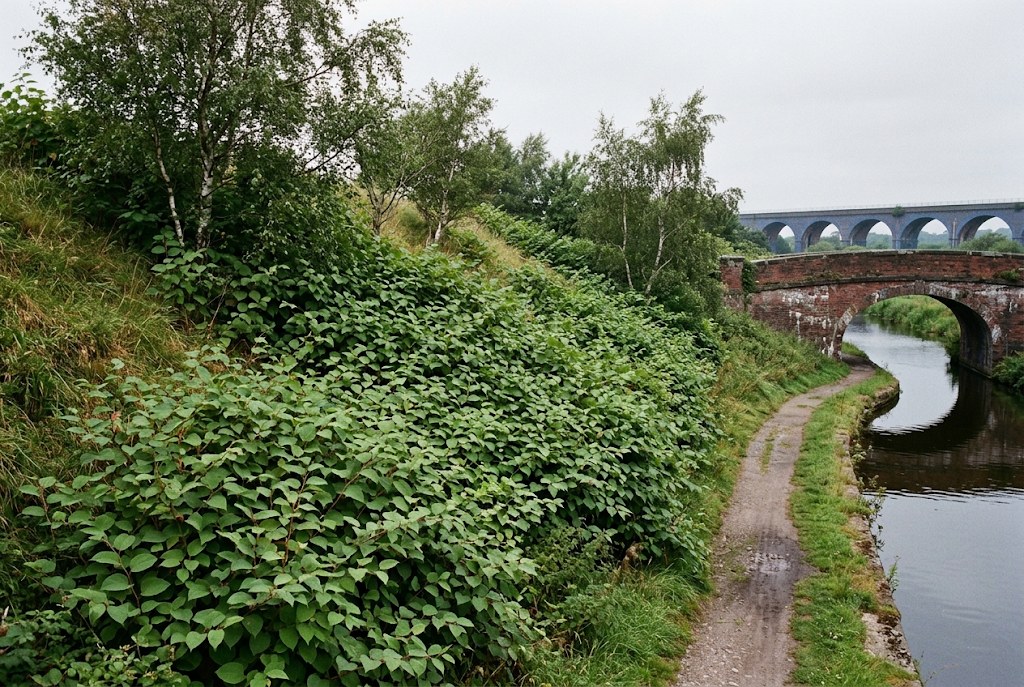
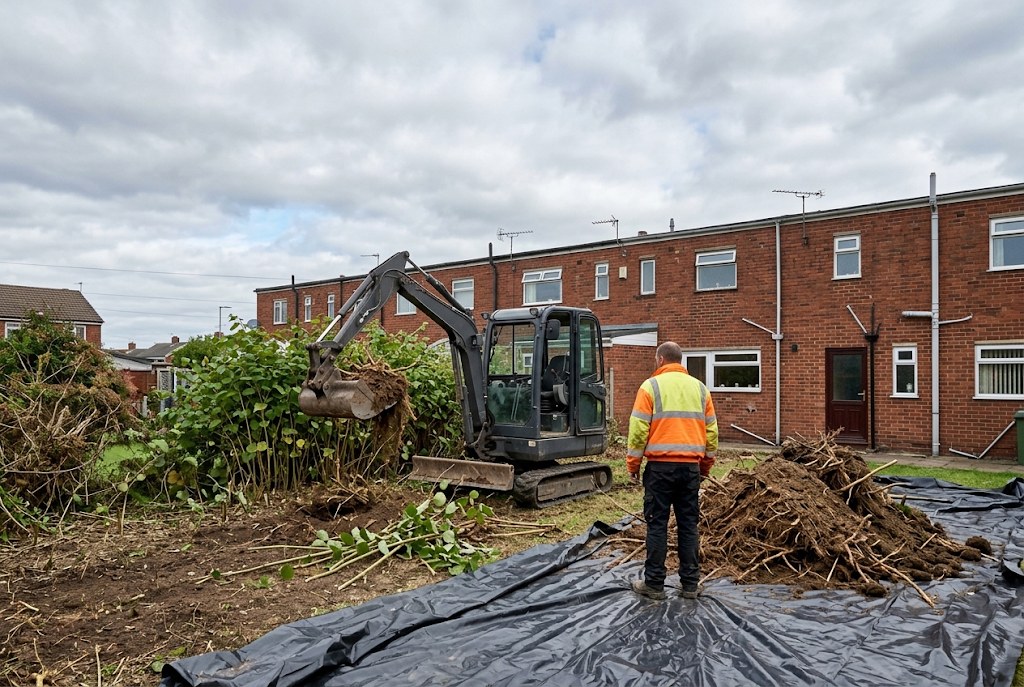
Japanese knotweed on a bank in Eccleston
Knotweed in Eccleston

Old pits, glassworks and canal banks.

Eccleston lies west of the town centre, a mixture of Victorian villas along the main road and plenty of 1930s and postwar semis behind. Gardens here are often long, and rough corners at the bottom of them can go unseen for years.

A survey shows whether the stand began in your garden or arrived from the land next door.

Also covering the rest of St Helens — same price, same service.
Learn to spot it

How knotweed looks around St Helens

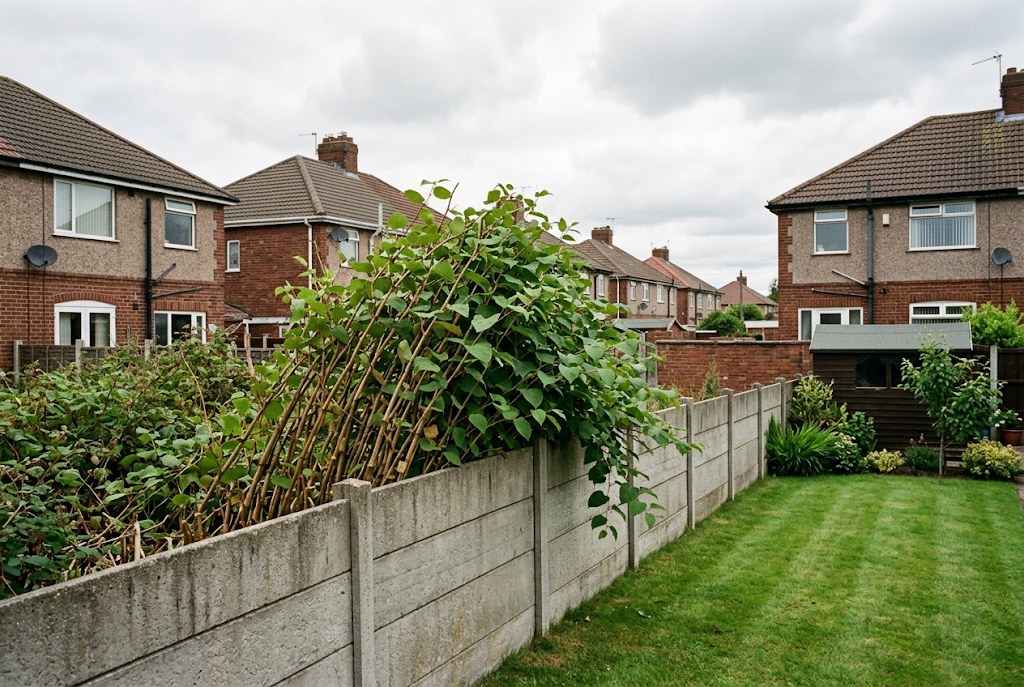
A stand at the end of a long Eccleston back garden.
Red-purple shoots lifting the surface beside a garage door.
A summer stand on a canal bank, with a brick bridge behind.

Not sure it is knotweed?

Send a photo through the contact page or ring us. Whether or not it is knotweed, you get an answer and no bill.

Send a photo
St Helens borough, from Eccleston and Windle out to Rainhill, Haydock and Newton-le-Willows

St Helens areas we cover

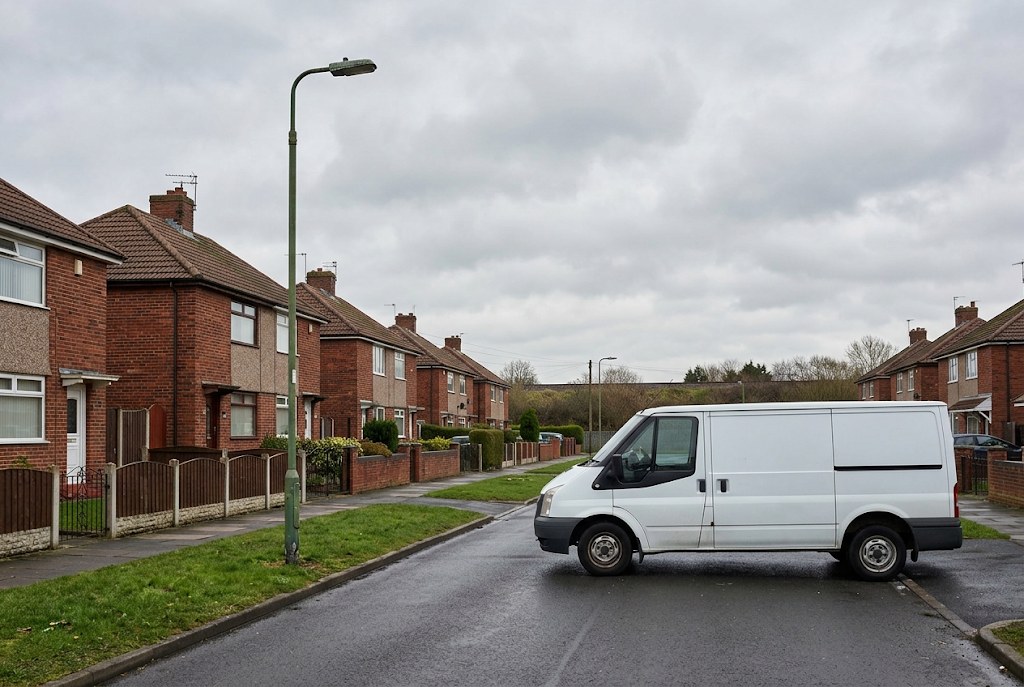
Addresses across WA9, WA10 and WA11, plus Rainhill (L35) and Newton-le-Willows (WA12), from the town centre out to the borough edges. Based in St Helens itself, so most visits across the borough can be fitted in within a few days.
Before you ring

Questions we get asked

The bottom of our Eccleston garden is overgrown and we rarely go there. Is that a risk?
It can be. Neglected ends of long gardens are where a stand establishes unnoticed. Walk down in spring and send a photo of anything red-tipped.
How do I know if it is Japanese knotweed?
Look at the stem first. It is hollow like bamboo, spotted with purple, and kinks in a zig-zag at each node. Leaves are shaped like shields with a flat base, and creamy flower clusters appear in late summer. Dead brown canes can remain upright all winter. A photo sent to us is faster than matching pictures online.
Is it illegal to have knotweed in my garden?
Having it on your land is not a crime. The offence is letting it spread into the wild, and any soil or cuttings are treated as controlled waste. If it crosses into a neighbour's property they may have grounds for a claim against you.
Will knotweed stop me getting a mortgage?
Not by itself. Many lenders will proceed when there is a professional survey, a treatment plan and an insurance-backed guarantee that can transfer to the buyer.
How long does treatment take?
A spraying programme normally lasts three to five growing seasons, followed by monitoring. Excavation takes a few days but costs noticeably more.
Can I just dig it out myself?
We advise against it. Tiny pieces of rhizome regrow, and the soil cannot go in the household bin or to the council tip.
Does knotweed damage houses?
It exploits weak points such as cracks, old drains, paving and light outbuildings. Sound foundations are seldom at risk, but a stand close to the house can still reduce a valuation or delay a sale.
What if it is coming from my neighbour?
Arrange a survey so the position and the direction of spread are on record. That report is what you show the neighbour, or the landlord or owner of the plot next door.

Put the strimmer back in the shed.

The photo check costs nothing. The report is yours to keep. The price is agreed before any work starts.

Local notes

Long gardens, villas and the postwar semis behind them

A summer stand on a canal bank, with a brick bridge behind.

Eccleston is made up of larger Victorian and Edwardian houses on the main roads, with streets of 1930s and 1950s semis tucked behind. The gardens are often deep, and the far end can be left to grow for years. A stand starting at the bottom of the plot is easy to miss from the kitchen window, so walk to the far fence in late spring, when the red shoots are most obvious.

Because plots here run long, a stand can reach a considerable size before it is noticed, and may cross into the garden next door. A survey records exactly where it lies and how far the roots may extend. For anyone selling, buyers' conveyancers regularly ask about it, and a ready plan avoids a stalled completion.

Call [phone]